
Organizing After a Big Life Change: Creating Space for What Comes Next
There’s a moment that happens after a big life change that no one really prepares you for.
It’s not the paperwork.
It’s not the logistics.
It’s the quiet.
The house feels different. The routines that once carried you through the day suddenly don’t fit the same way. And the spaces around you - closets, drawers, spare bedrooms - start reflecting that shift in ways that may feel heavier than expected.
Whether you’re navigating an empty nest, the loss of a loved one, a divorce, a move, or another major transition, organizing after a life change is rarely about “getting tidy.”
It’s about learning how to live in the in-between.
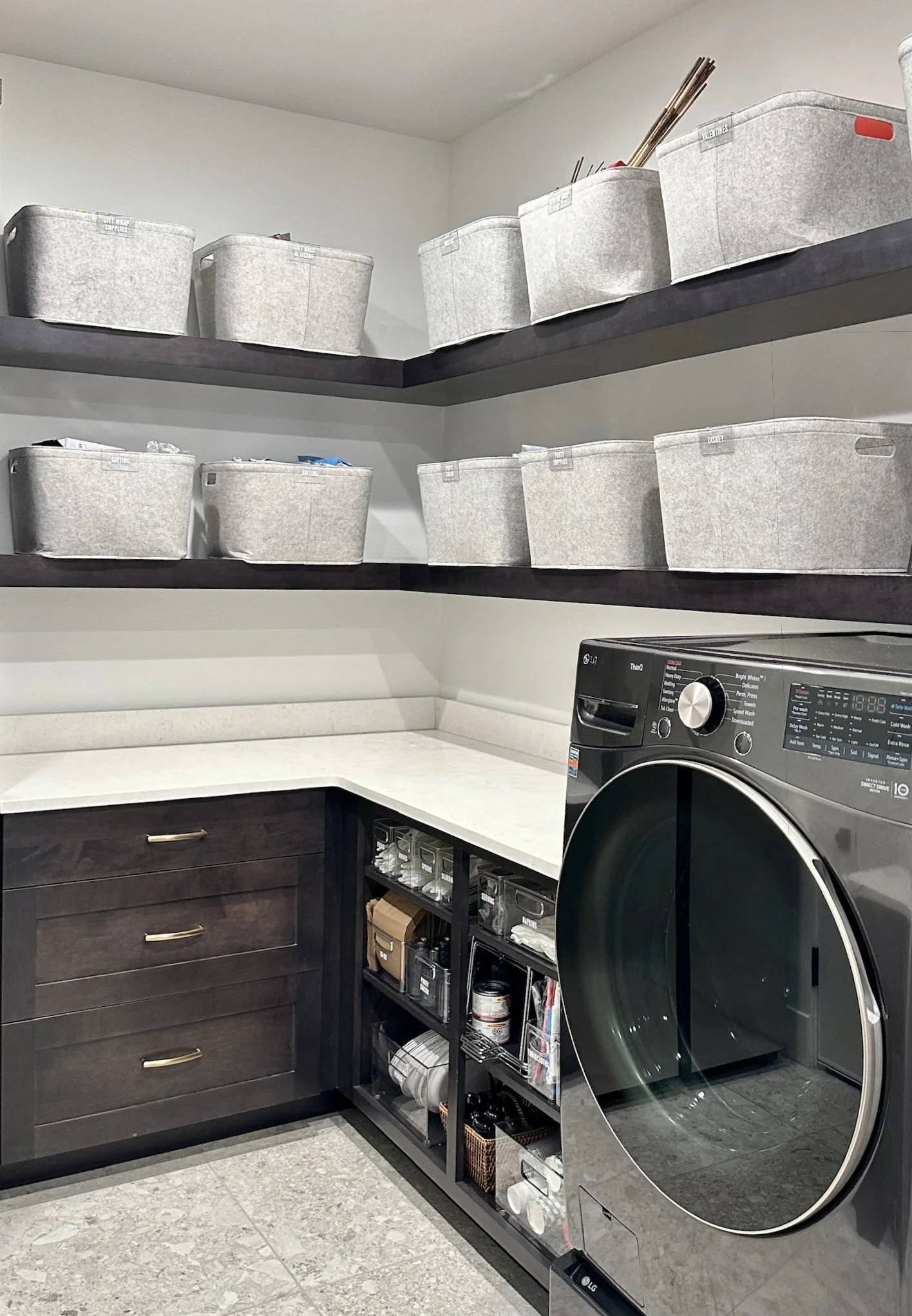
Why Big Life Changes Make Our Homes Feel So Heavy
Our homes hold onto memories more than we may realize.
That extra mug in the cabinet.
The photo album sitting in a box in the garage.
The room that used to have a purpose - and now doesn’t.
After a big transition, those items can feel loaded. You might find yourself thinking:
I don’t know what to do with this yet.
Getting rid of it feels like closing a door I’m not ready to close.
Keeping it feels like staying stuck.
And here’s the truth most organizing advice skips over:
There is no “right” timeline for letting go.
Grief, identity shifts, and change don’t move in straight lines. Your home shouldn’t be expected to either.
Organizing Isn’t About Erasing the Past
One of the biggest fears people have during life transitions is that organizing means erasing something meaningful.
It doesn’t.
Organizing after a major life change isn’t about pretending the past didn’t exist - it’s about deciding how it gets to exist with you moving forward.
You don’t need to keep everything to honor a chapter, and you don’t need to release everything to begin a new one.
What matters is intentionality as you move forward through this new season of life.
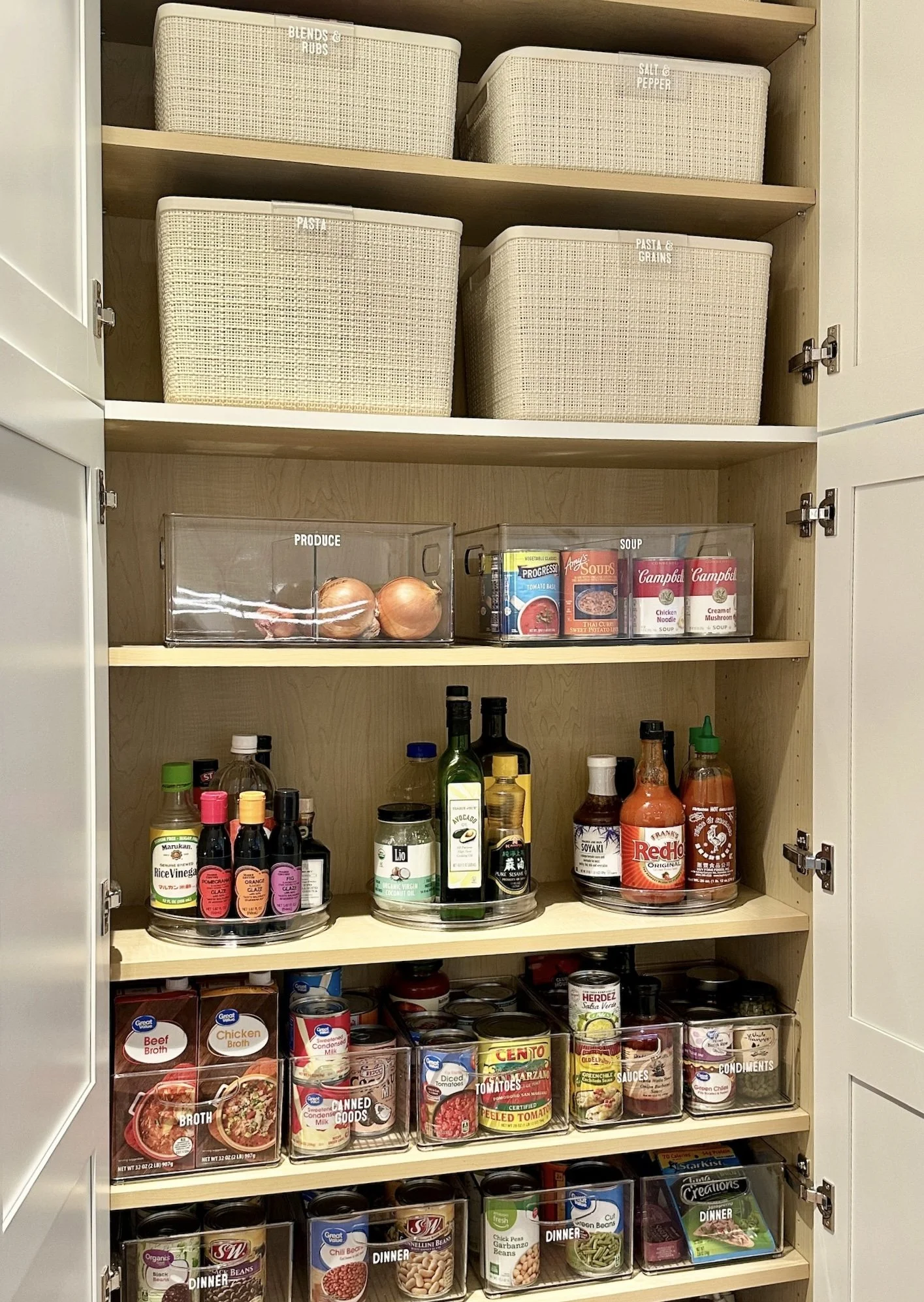
Start With Permission, Not Pressure
Before you touch a single drawer, give yourself permission to go slow.
This isn’t a season for rigid rules or dramatic purges. It’s a season for more gentle questions, like:
What still supports me right now?
What feels emotionally heavy every time I see it?
What am I holding onto because it’s meaningful - and what am I holding onto because I don’t know what’s next?
Sometimes the most powerful organizing step is simply acknowledging:
“I don’t have to decide today.”
Focus on Function First
During big transitions, your energy is already stretched thin. Your home should make daily life easier - not harder.
Start by organizing around what you need now, not what your space used to be.
That might look like:
Adjusting spaces so they work for what your life looks like currently.
Simplifying routines in the kitchen, bathroom, or laundry room so everyday tasks take less effort.
Creating more flexible systems that don’t require perfect habits to maintain.
When life feels uncertain, function creates stability.
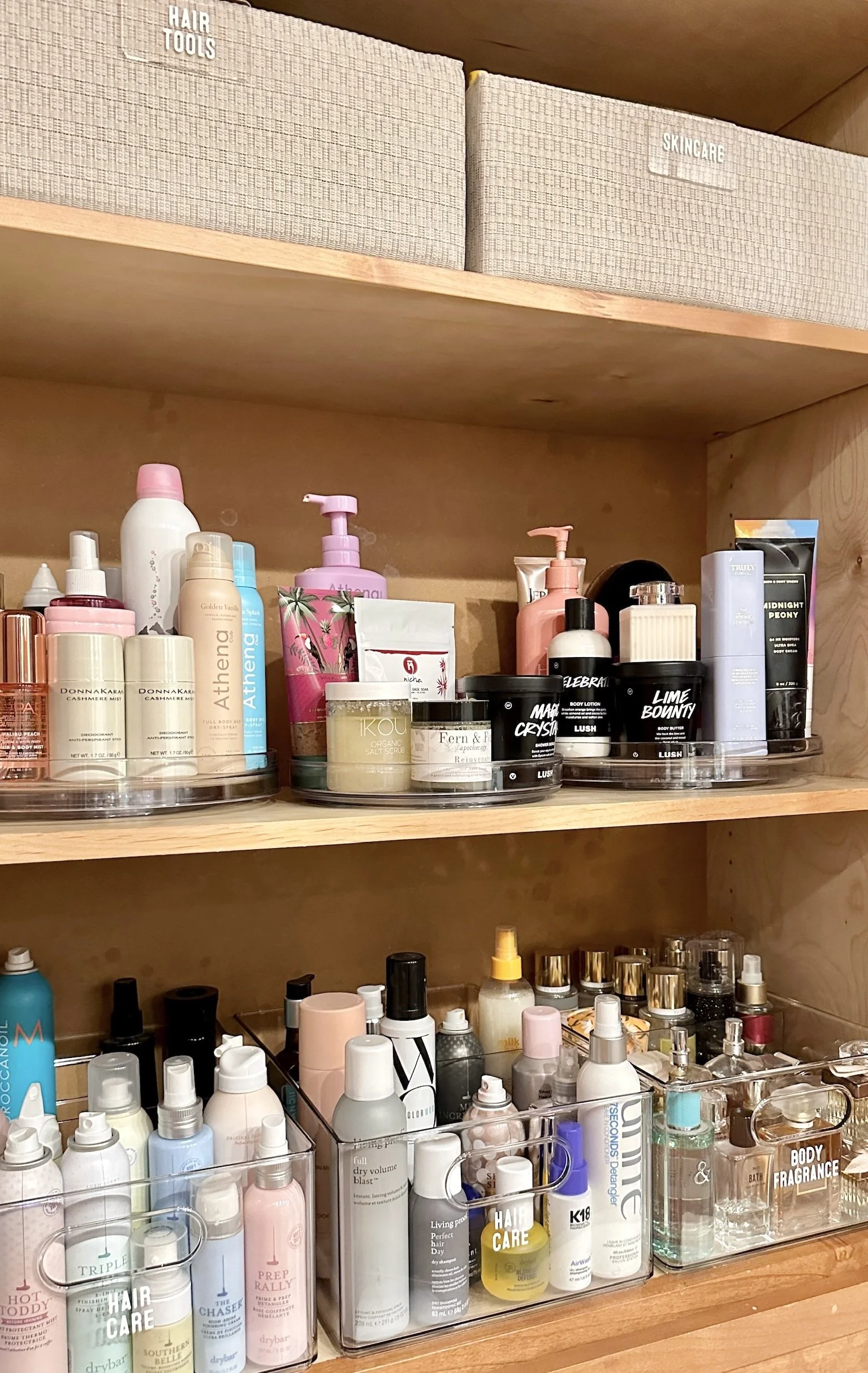
Create Neutral Zones
Not every space needs to be emotionally charged.
One helpful approach during transitions is creating neutral zones - areas of the home that feel calm, light, and uncomplicated. These spaces give your nervous system a break.
Think:
A bathroom setup that allows you to start the day refreshed, and end the day relaxed.
A simplified entryway that gets you out the door quicker.
A coffee station set up with your favorite supplies, giving you something to look forward to each morning.
These small pockets of order can be incredibly grounding when everything else feels like it’s spinning around you.
Making Space for Who You Are Now
After a big life change, it’s easy for your home to stay anchored to who you used to be.
The schedules, the roles, the expectations - they often linger in our spaces long after they’ve shifted in real life. Closets stay full. Drawers stay packed. Rooms stay frozen in time.
One of the hardest parts of big life changes is accepting that who you were - and how your home functioned - may not fully align with who you’re becoming.
And that’s okay.
Your home is allowed to change with you.
Your systems are allowed to shift.
Your space is allowed to reflect the season you’re in - not the one you left behind.
Organizing in this season isn’t about preserving the old version of your life.
It’s about asking a gentler, braver question:
What do I need now?
Making space for yourself might look like:
Letting go of items tied to responsibilities or roles you no longer carry.
Creating room - physically and emotionally - for rest, creativity, or quiet.
Allowing your home to support your current routines, not the ones that used to exist.
You’re not erasing your past by creating space - you’re acknowledging that your needs have changed. Give yourself permission to take up room in this next chapter.
Remember: Your home doesn’t have to hold everything you’ve been - it just needs to support who you’re becoming.
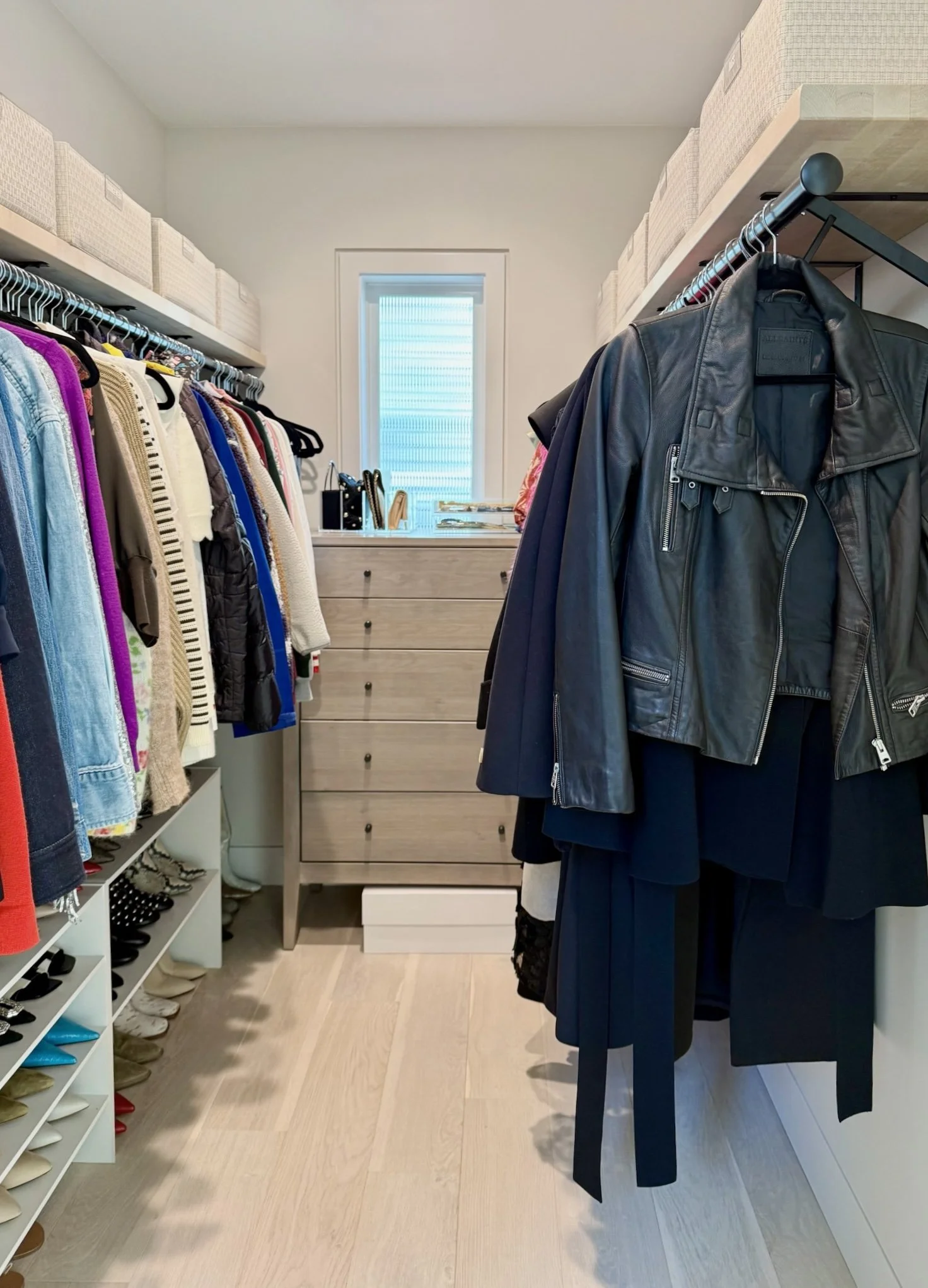
Gentle Progress Is Still Progress
If all you do today is clear one surface, sort one drawer, or make one decision - you’re moving forward.
Organizing after a major life change isn’t a project to finish. It’s a relationship with your space that unfolds slowly, thoughtfully, and with care.
And sometimes the most important thing you can do is give yourself grace. ❤️
If you’ve just experienced a big life change and are struggling with figuring out how to move forward, our team here at The Orderly Space would love to be there to support you. Share your story with us in this Contact Form, and we’ll talk through the best way to proceed with your project in your complimentary, no-obligation consultation.
