
Why Your Organizing Systems Keep Failing
Have you ever organized a space and thought…
This is it. This time it’s going to stick. I’m going to stay organized.
And for a while, you do!
The pantry looks beautiful, the entryway is tidy, and you know where everything lives. Then one day (usually about six months down the line), you open a drawer and think…
How did we get back here?
If that sounds familiar, I want you to know something: You didn’t fail, the system did.
After organizing hundreds of homes, we’ve noticed a pattern: Most organizing systems don’t fall apart because people are messy, lazy, or “bad at organization.” They fall apart because they weren’t built to support your real life.
So, let’s talk about the biggest mistakes people make when trying to get organized - and how to create systems that will actually last!
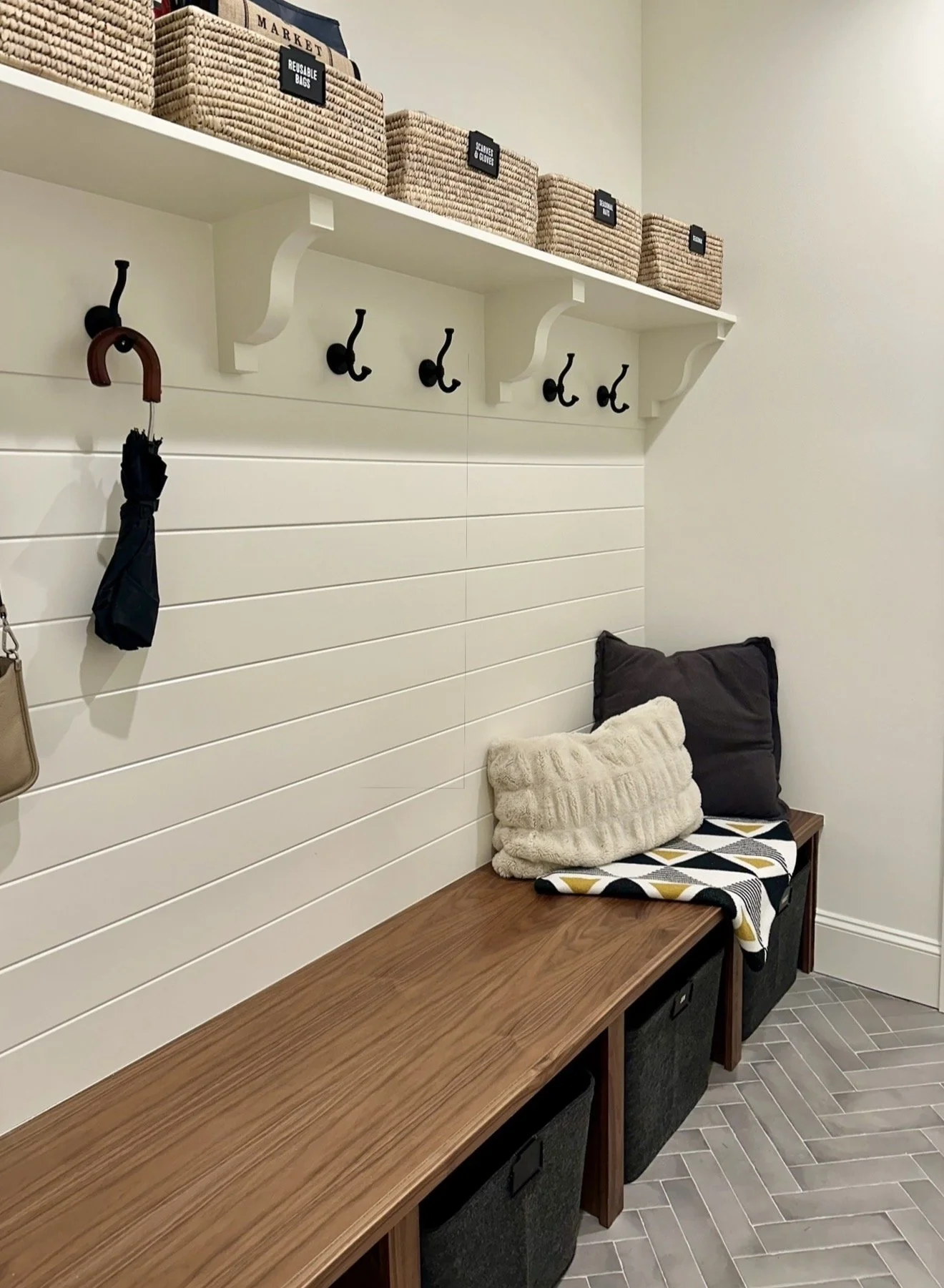
The System Wasn’t Built for Real Life
One of the biggest reasons organizing doesn’t last is because the system was designed for a perfect version of life.
The slow, lazy mornings.
The fully rested parents.
The version of you with unlimited time and energy.
But real life includes:
Rushing out the door on Monday mornings
Kids dropping backpacks wherever they land
Groceries being put away quickly
Laundry getting folded whenever you find the time
If a system only works when life is calm, it won’t survive when life gets busy (which is most of the time!).
How to Avoid it:
Design systems for your hardest days, not your best ones.
Ask yourself:
Where does this item naturally get dropped?
How much time do I realistically have to maintain this?
Is this system manageable for everyone in my household?
The best organizing systems meet you where you are - not where you wish you were.
The System Requires Too Many Steps
Organizing often fails because it’s just too complicated!
Too many categories.
Too many containers.
Too much restriction (or too much specificity!).
When a system requires multiple steps to put something away, it won’t get used consistently. Over time, people default to the fastest option - and that’s when clutter starts to pile up again.
How to Avoid it:
Simpler is always better.
Fewer categories (label broadly!)
Clear, obvious zones
One-step solutions whenever possible
If you have to think about where something goes, the system isn’t for you.
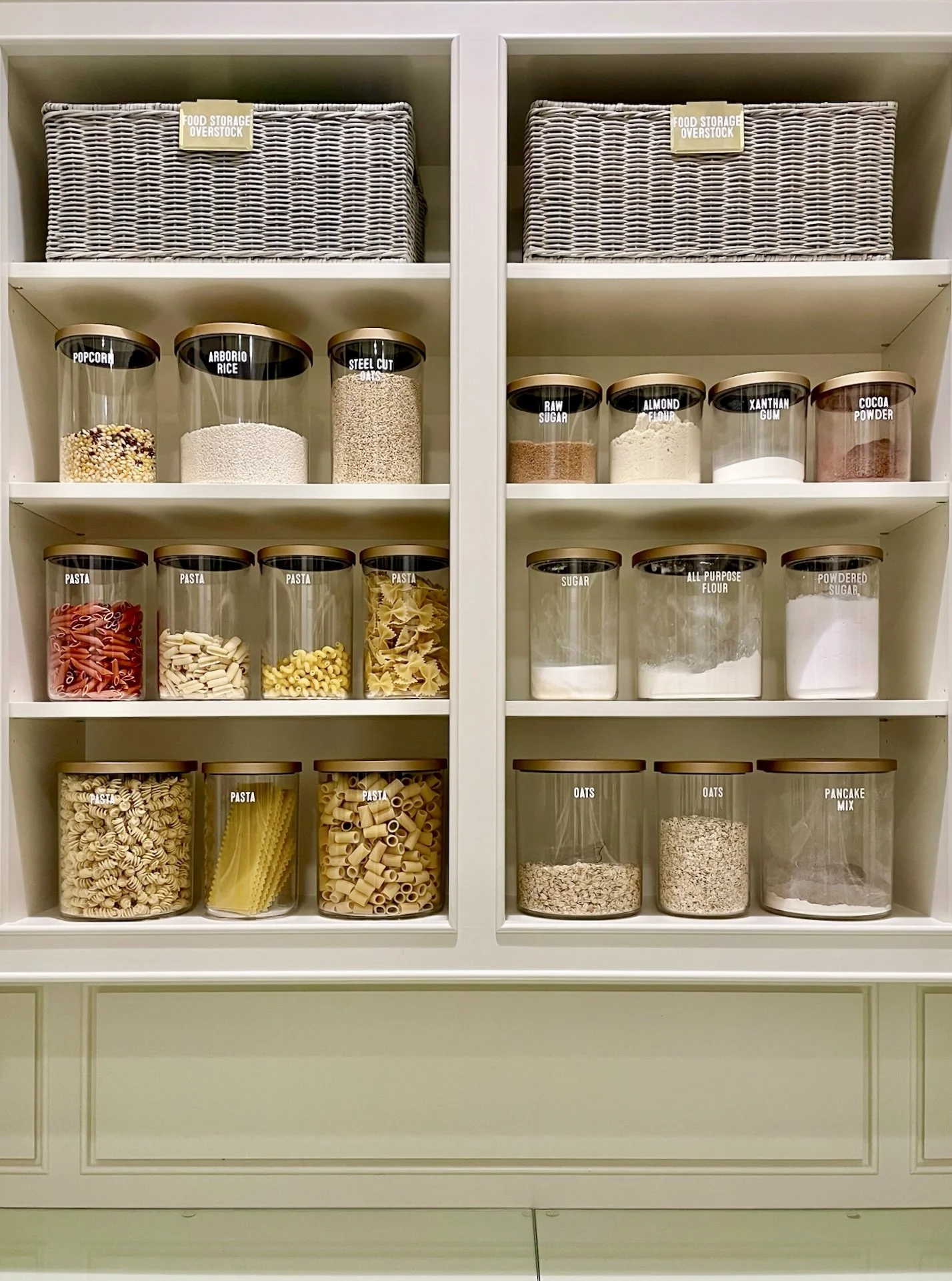
The System Wasn’t Built for Change
Life changes constantly!
Kids grow.
Routines shift.
Work schedules evolve.
Hobbies come and go.
But many organizing systems are created as if life will stay exactly the same forever.
When a system isn’t adaptable, it eventually stops working.
How to Avoid it:
Create flexible organizing systems.
Label broadly (a bin labeled “snacks” is more realistic than separate bins for crackers, granola bars, chips, etc.)
Leave open space for growth
Revisit and tweak systems seasonally
Organization isn’t a “one and done” project - it should evolve as your life does!
Your Clutter Was Never Addressed
You can’t organize excess, you can only rearrange it.
When you skip the decluttering step, systems become overwhelming fast. Drawers won’t close, bins overflow, shelves become stuffed. And before long, the system feels harder to maintain than simply living with the clutter.
How to Avoid it:
Decluttering has to come first.
Before organizing, ask yourself:
Do I actually use this?
Do I have duplicates?
Does this support the life I’m living now?
Less stuff = easier systems = longer-lasting organization.
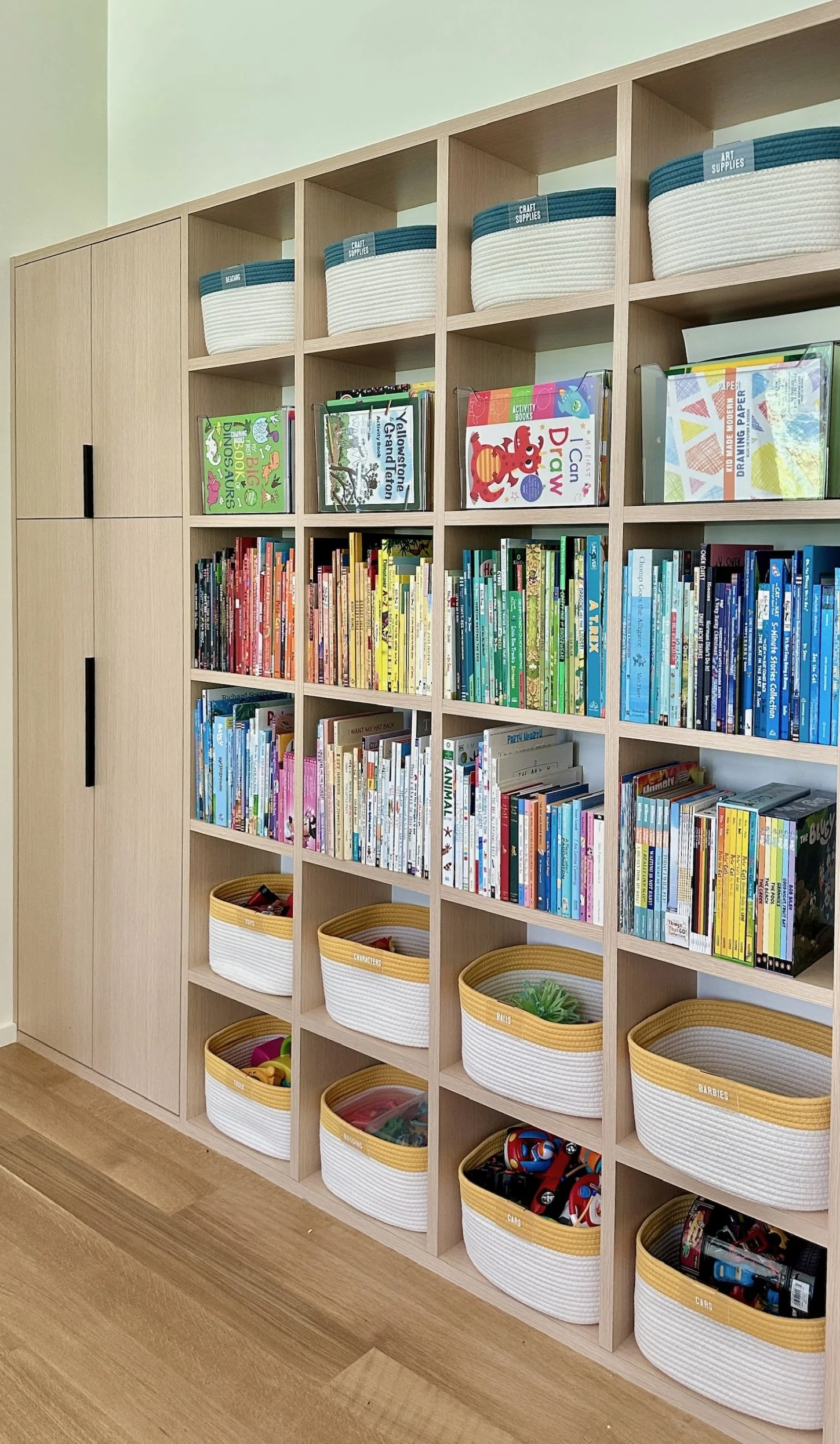
The System Didn’t Involve the Whole Household
One person can’t maintain a system for an entire family.
If the system only makes sense to one person, it will slowly fall apart as others attempt to use it (often unintentionally).
How to Avoid it:
Make systems intuitive for everyone.
Clear labels
Logical zones (make sure the snack bins are at eye-level for your kids! 😉)
Simple rules that don’t require explanation
When everyone in the household understands where things go, maintenance becomes far more sustainable!
The Focus Was on Aesthetics, Not Function
Beautiful organization is inspiring, but beauty alone won’t keep a system going.
If a space looks great but is frustrating to use, people will stop using it properly. And when functionality breaks down, clutter follows.
How to Avoid it:
Function always comes first.
Ask yourself:
Is this easy to access?
Can items be put away quickly?
Does this system support daily routines?
A well-organized home should feel both calm and effortless.
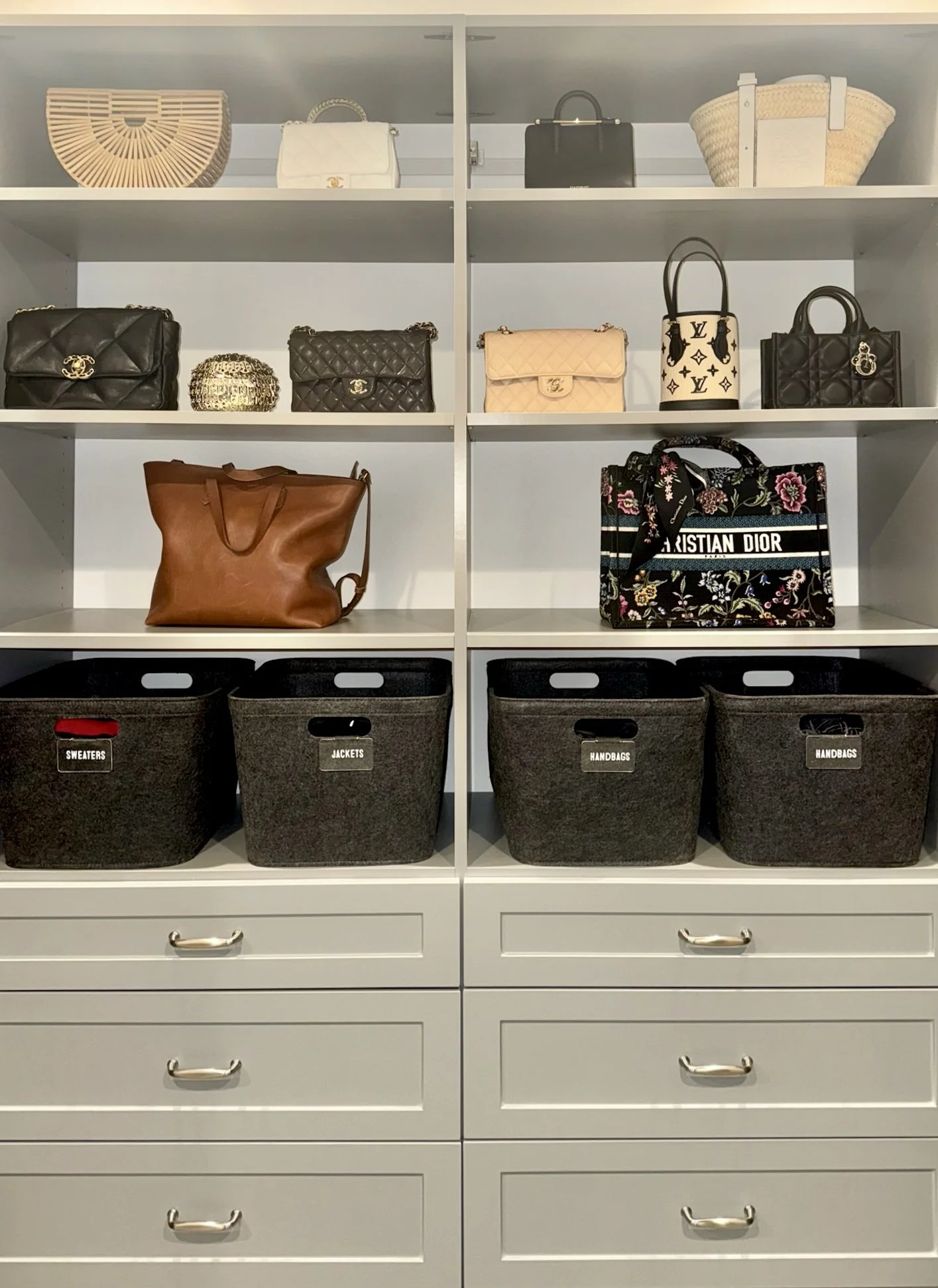
Creating Systems That Actually Last
The organizing systems that last aren’t complicated or rigid. They’re built around your real life - busy mornings, changing routines, and everything in between! They’re simple, flexible, and designed to evolve as your life does.
When organization truly works, it doesn’t require constant effort - it supports your day-to-day life. And when things get messy (because they always do), your systems can handle it.
If you want to kick off 2026 with a home that works for you, our team would love to help! Schedule your complimentary consultation today, and let’s start planning your project! 🎉
